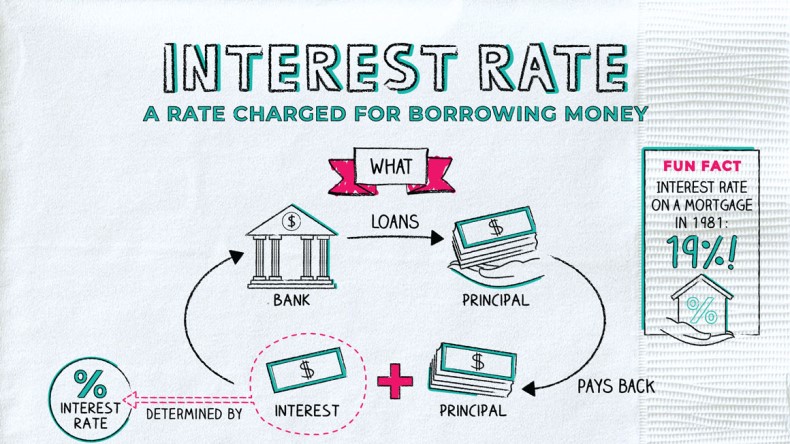

When it comes to purchasing a home, securing a mortgage with a favorable interest rate is paramount. Interest rates play a crucial role in determining the overall cost of homeownership. However, understanding the intricate web of factors influencing these rates can often seem complex. Let's delve into the key elements that impact home loan interest rates, shaping the borrowing landscape for prospective homeowners.
Economic Conditions: Interest rates for home loans are heavily influenced by broader economic factors. Central banks, such as the Federal Reserve in the United States, set the benchmark interest rate, often known as the federal funds rate. This rate acts as a guideline for other interest rates in the economy, including those for mortgages. Economic indicators like inflation, unemployment rates, and GDP growth significantly influence these decisions. During periods of economic growth, interest rates might rise to curb inflation, while during economic downturns, rates might be lowered to stimulate spending and investment.
Central Bank Policies: Monetary policies adopted by central banks have a direct impact on mortgage rates. Central banks adjust interest rates as a means of controlling inflation and economic growth. For instance, a decision by the Federal Reserve to raise interest rates can lead to an increase in mortgage rates, making borrowing more expensive. Conversely, a policy to lower rates might result in reduced mortgage rates, making homeownership more accessible.
Credit Score and Financial History: Personal financial factors play a significant role in determining the interest rate a borrower qualifies for. Lenders assess the creditworthiness of individuals based on their credit scores and financial history. A higher credit score often translates to lower interest rates, as it demonstrates a lower risk for lenders. Conversely, borrowers with lower credit scores might face higher interest rates or have difficulty qualifying for a mortgage.
Type and Duration of Loan: The type and duration of the loan also impact interest rates. Fixed-rate mortgages tend to have higher initial interest rates compared to adjustable-rate mortgages (ARMs). However, ARMs are subject to fluctuation based on market conditions and may increase over time. Additionally, shorter-term loans typically have lower interest rates but higher monthly payments compared to longer-term loans.
Down Payment and Loan-to-Value Ratio: The amount of the down payment and the loan-to-value (LTV) ratio can affect interest rates. A larger down payment reduces the lender's risk and often leads to lower interest rates. Conversely, a higher LTV ratio (where the loan amount is a higher percentage of the property's value) can result in higher interest rates or additional costs like private mortgage insurance (PMI).
Market Forces and Demand for Loans: The demand for loans in the market also influences interest rates. When there's high demand for mortgages, lenders might increase rates to balance their supply of funds. Conversely, decreased demand might prompt lenders to offer lower rates to attract borrowers.
Understanding these factors can empower prospective homeowners to make informed decisions when seeking a mortgage. While some elements are beyond individual control, maintaining a good credit score, staying informed about economic trends, and working on improving financial health can help secure more favorable interest rates.
In conclusion, home loan interest rates are a product of a complex interplay between economic indicators, individual financial profiles, and market dynamics. Keeping a keen eye on these factors and seeking professional guidance can significantly impact the affordability and accessibility of homeownership in the long run.