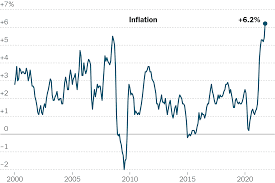

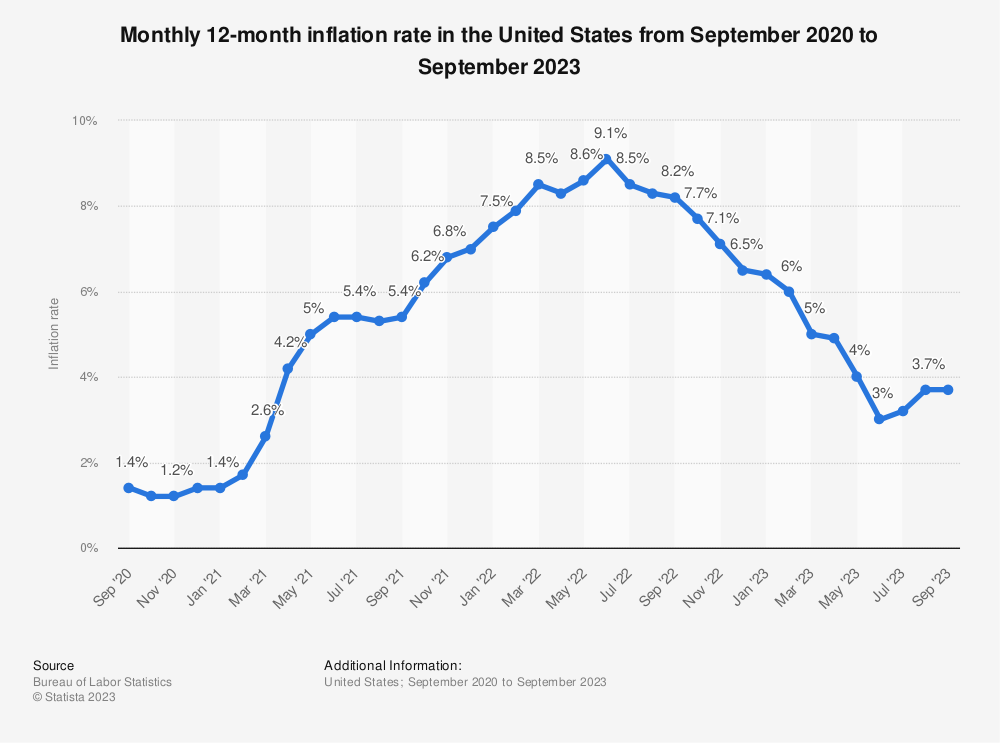
The specter of inflation has been looming large over the United States in recent times, and Missouri's housing market is not immune to its effects. Inflation, characterized by the steady rise in the prices of goods and services, can have a significant impact on the real estate market. In this blog post, we'll delve into how the current inflationary environment is influencing the Missouri housing market and what it means for buyers, sellers, and investors.
Understanding Inflation's Influence
Before we examine how inflation is affecting the Missouri housing market, it's essential to understand its influence on the broader economy. Inflation erodes the purchasing power of the dollar, making everything more expensive. This, in turn, can affect real estate in several ways.
Higher Construction Costs: One of the most direct ways inflation impacts the housing market is through increased construction costs. Rising prices for materials like lumber, steel, and concrete can make it more expensive to build new homes, which can, in turn, lead to higher home prices.
Interest Rates: Inflation can prompt the Federal Reserve to raise interest rates to keep the economy in check. Higher interest rates can make mortgages more expensive, potentially reducing affordability for buyers.
Rental Costs: Inflation can also impact rental costs. As the cost of living rises, landlords may increase rents to cover their expenses, affecting affordability for renters.
The Missouri Housing Market
Now, let's take a closer look at how these inflation-related factors are influencing the Missouri housing market:
Home Prices: Inflation has contributed to rising home prices in many parts of Missouri. While this is great news for sellers, it can be challenging for buyers, especially first-time buyers. The limited supply of homes has exacerbated this situation.
Mortgage Rates: As inflationary pressures mount, the Federal Reserve may respond by raising interest rates. Higher mortgage rates can reduce the buying power of potential homebuyers, which may slow down the market.
Affordability: The combined impact of rising home prices and potentially higher interest rates can make homeownership less affordable for many Missourians. This has prompted some buyers to explore alternative options, such as renting or moving to more affordable areas.
Investment Opportunities: Investors looking for opportunities in the Missouri housing market should be aware of the inflation-related risks. However, real estate can also be seen as a hedge against inflation, as property values tend to appreciate over time.
Adapting to the Market
In the face of inflation's influence on the Missouri housing market, there are several strategies that buyers, sellers, and investors can consider:
Buyers: If you're a buyer, it's crucial to get pre-approved for a mortgage and be prepared for potential interest rate hikes. Flexibility and patience in your home search can also be advantageous.
Sellers: Sellers may benefit from the current market conditions with rising property values. However, it's still essential to price your property competitively and make necessary improvements to attract buyers.
Investors: Real estate investors should evaluate the local market carefully and consider the potential risks associated with inflation. Diversifying your investment portfolio can help mitigate these risks.
Conclusion
Inflation is a complex economic force that can have far-reaching consequences, including its impact on the Missouri housing market. While it may present challenges for some, it also offers opportunities for others, particularly investors looking for long-term appreciation. Staying informed about market trends, interest rates, and inflation-related policies is crucial for anyone looking to navigate the Missouri housing market successfully in these uncertain times.